When the Ground Under You Gives Way
Foundational hurt, church loss, and finding solid ground again
Some hurts happen on top of your life. Others happen underneath it. A reflection on foundational hurt, grieving an entire ecosystem, and slowly finding ground that can hold your weight again.
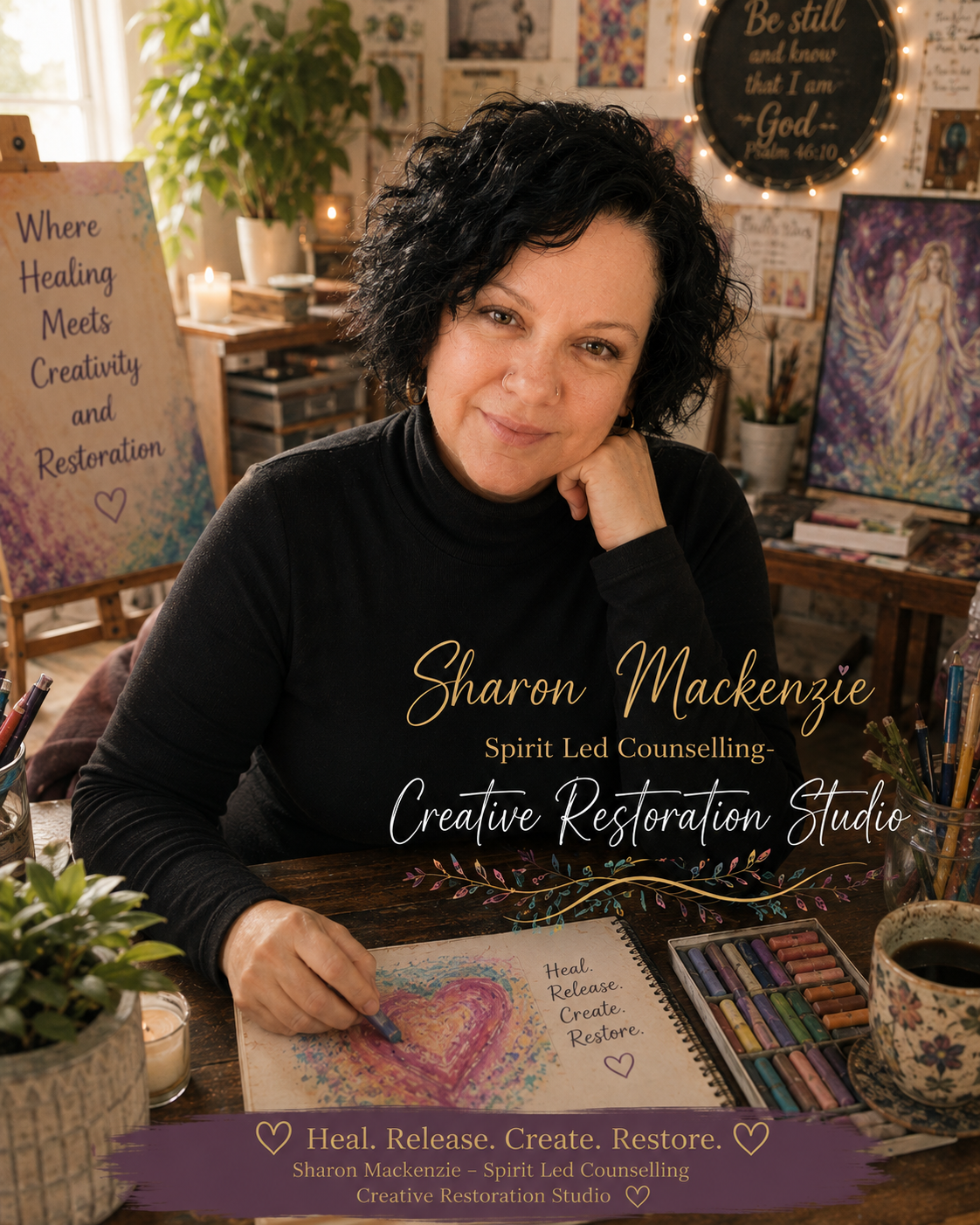
Sharon Mackenzie — Author, Counsellor & Social Science Practitioner
There are hurts that happen on top of your life.
And then there are hurts that happen underneath it.
I didn't understand the difference until the place I would normally have stood while dealing with hurt became part of the hurt itself.
That is what I have come to think of as foundational hurt.
For much of my life, Christian community wasn't simply somewhere I went on Sundays. Church held friendship, faith, service, belonging, purpose and shared history. I invested in it because I genuinely believed in the beauty of healthy Christian community.
I wasn't standing outside the institution examining it. I was inside it, loving it.
And that matters. Because when something you love deeply fails you, you don't experience it as an interesting organisational problem. You experience it relationally. Spiritually. Sometimes physically.
When the problem becomes bigger than the problem
At first, I thought I was dealing with a difficult relationship.
I tried to communicate. I waited. I gave grace. I tried again. I sought appropriate support and hoped eventually there would be a conversation where truth could be spoken kindly, responsibility could be placed rightly and something could be repaired.
I wasn't expecting perfection. I was expecting process.
- Communication.
- Fairness.
- Accountability.
- The willingness to have difficult conversations.
But eventually I discovered something more destabilising than the original hurt: the structures I expected to help hold the difficulty could not necessarily hold it.
And that changed the wound.
There is a profound difference between “Someone hurt me here” and “I no longer know whether this place is safe when someone hurts me here.”
That second sentence reaches the foundations.
The loss beneath the loss
When someone leaves a church after significant hurt, people may see one loss: they left their church.
But the person may actually be grieving an entire ecosystem: community, friendships, worship, service, routine, shared history, leadership relationships, future plans, spiritual belonging, even their understanding of what Christian community is supposed to be.
And then there is another grief: what you believed would happen if something ever went wrong.
- I believed relationship would matter enough to pursue.
- I believed truth would eventually matter more than comfort.
- I believed repair would be important.
When those assumptions changed, I realised I wasn't only grieving people. I was grieving what I thought I could safely stand on.
That is foundational grief.
When God gets tangled up in it
Church hurt can also reach into faith itself. Not because God hurt us, but because God, church, leadership, belonging, Scripture, worship and community may have become deeply intertwined inside us.
When one becomes unsafe, everything can temporarily feel unsafe.
That doesn't necessarily mean faith is disappearing. Sometimes faith is being carefully separated from the structure that once carried it.
That was part of my own journey. And slowly I discovered something important.
The structure could change. Relationships could change. My understanding of community could change.
God remained. Prayer remained. Creativity remained. Compassion remained. My calling remained. I remained.
Rebuilding differently
I once thought healing meant getting back to who I was before everything happened. I don't anymore.
Some things needed rebuilding differently. Some assumptions needed examining. Some boundaries needed strengthening. And some responsibilities needed to be handed back to the people they actually belonged to.
So perhaps the question after foundational hurt isn't “How do I get my old life back?” Perhaps it is “What is strong enough to hold my weight now?”
- Truth. Dignity. Discernment.
- Healthy boundaries and direct communication.
- Faith that can survive questions.
- Relationships where repair is normal.
- Community where difference doesn't threaten belonging.
Those are good foundations. And you don't have to rebuild them overnight.
Two places to begin
If this kind of hurt feels familiar, I have created two different pathways through my writing.
If you are still trying to understand what happened, start with the Human Systems books. They are the more safeguarding-focused path: recognising patterns, examining responsibility, understanding relational and community dynamics, strengthening discernment and learning what is yours to carry — and what isn't.
But sometimes understanding what happened isn't the same as healing from it.
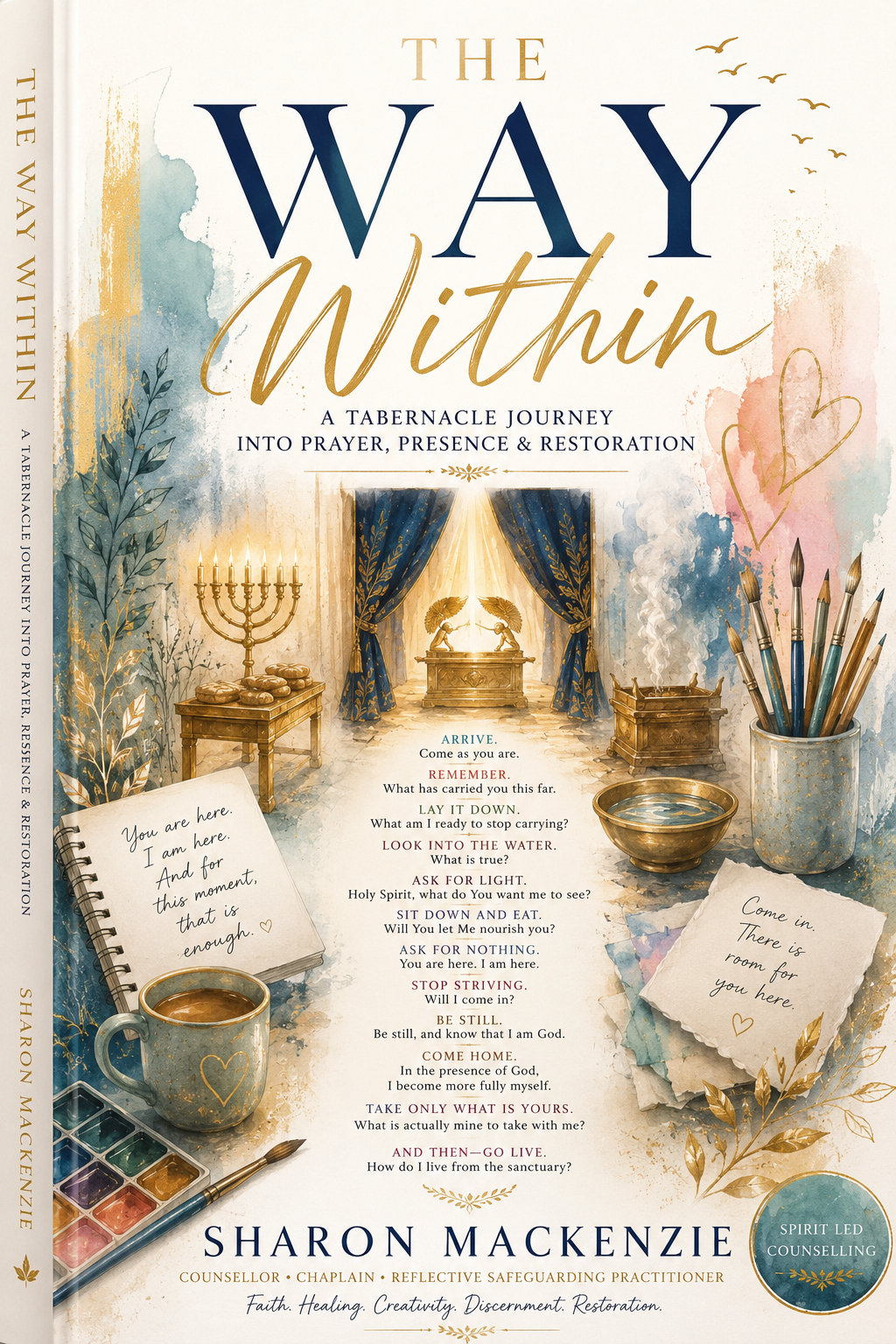
That is where The Sanctuary Within begins. The first book, The Way Within, moves away from analysing the people and structures around us and turns gently inward — toward prayer, presence, creativity, restoration and the rebuilding of the inner sanctuary.
One helps us ask: “What happened here? What belongs to me? What doesn't?” The other asks: “Now that I know, how do I come home to myself again?”
Because safeguarding was never meant to leave us permanently standing at the walls. Eventually, we are allowed to go back inside. To rest. To create. To pray. To belong to ourselves again. To live.
Perhaps healing after foundational hurt isn't about making the ground stop moving. Perhaps it is discovering, slowly and gently, the ground beneath the ground.
Where you might go next
Two gentle pathways — one for understanding what happened, one for coming home to yourself again. Read them in whichever order your season asks for.
These essays are reflective writing offered for personal thought and discernment. They are not counselling, clinical treatment or legal advice. If something here touches something tender, please reach out to someone you trust.