What Does It Mean to Truly Belong?
Fitting in and belonging are not the same thing — and one of them is exhausting. On the difference, and how to tell which one you've been doing.
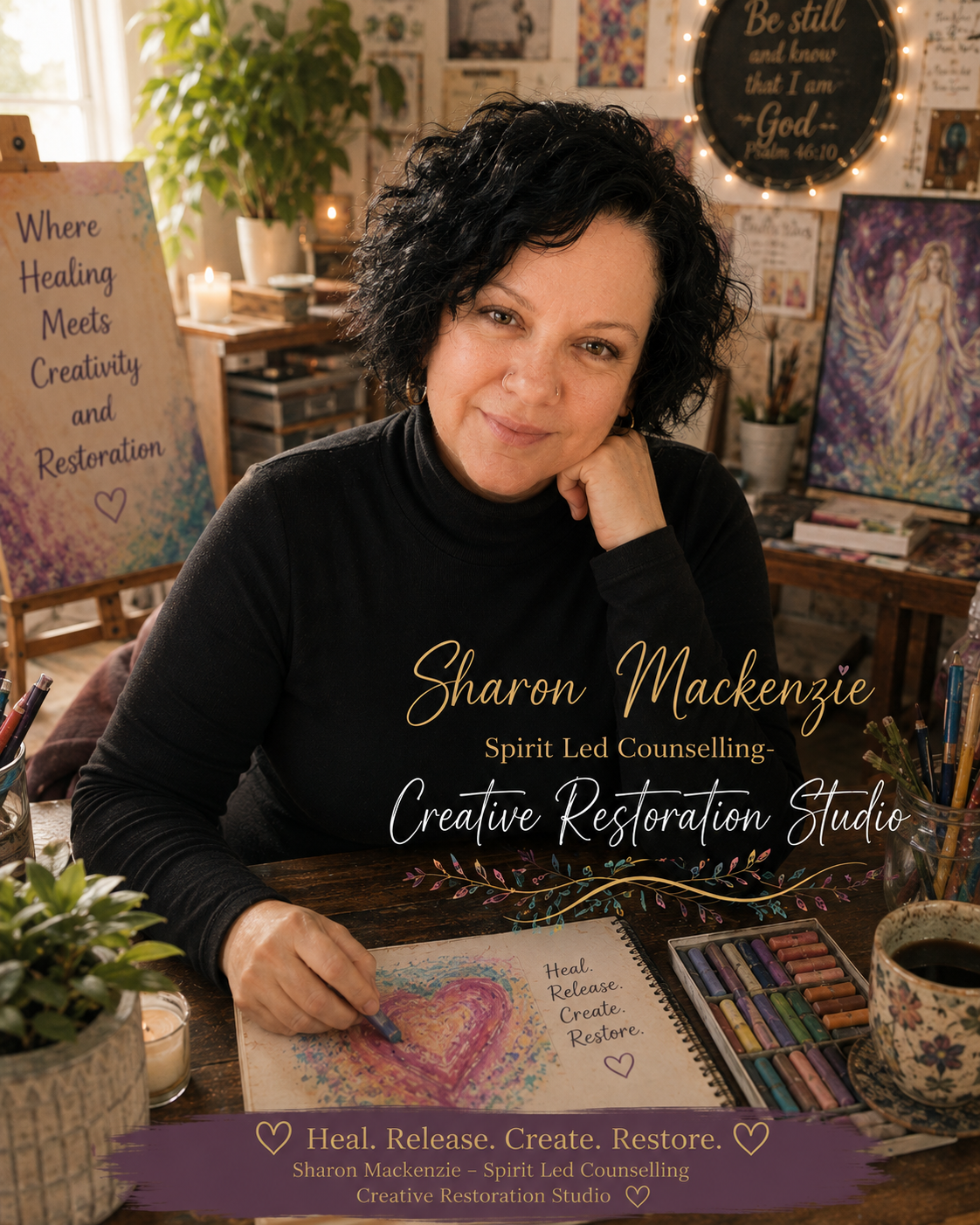
By Sharon Mackenzie — Australian author, counsellor, chaplain and artist.
There's a particular kind of tiredness that comes from being included but not known. You're in the group chat. You're at the table. You're on the roster. And yet you go home and something in you unclenches, because you can finally stop holding the shape.
That's the difference between fitting in and belonging. Fitting in asks you to adjust. Belonging asks you to arrive.
Fitting in is a skill — and often a very well-developed one
Most of us learned to fit in early, and we learned it because it worked. We noticed which parts of ourselves got a warm response and which got a raised eyebrow, and we quietly adjusted the settings. Volume down. Enthusiasm down. Questions down. Opinions — perhaps best kept in a drawer.
It's worth saying plainly: this was intelligent. Reading a room is a real skill, and sometimes it kept us safe. The trouble is that a skill practised long enough stops feeling like a choice and starts feeling like a personality.
If you have to leave most of yourself at the door, the room is not really letting you in.
What belonging actually feels like
Belonging is less dramatic than we imagine. It rarely announces itself. Mostly it shows up as a set of very small, very ordinary experiences:
- You can disagree without the temperature of the relationship dropping.
- Someone remembers something you said last month, and it wasn't about what you provide for them.
- You can be having a flat week and still be welcome, rather than welcome on condition of being good company.
- Your quirks are treated as information about you, not as a problem to be managed.
- You are missed when you're absent — and told so.
Notice that none of those require the group to be large, spiritual, impressive, or even particularly close. Belonging is about the quality of being known, not the size of the crowd.
Why we sometimes reject the real thing
Here's an uncomfortable truth. If you've spent years performing to be included, genuine belonging can feel unnerving rather than lovely. Being accepted as you are removes the thing you've been controlling. If they like the performance, at least you know why. If they like you, you have no idea what's holding it up.
So people test it. They pull back, or over-give, or wait for the catch. If you recognise yourself in that, be gentle. Learning to be received is a skill too, and it takes practice.
Belonging is not the absence of boundaries
A place where you can never say no is not a place you belong; it's a place you're useful. Real belonging survives a boundary. It might wobble for a week — most human things do — but it doesn't collapse, and you are not punished with coldness for having limits.
This is one of the clearest, kindest tests I know. Say a small, honest no, and watch what happens next. Not to catch anyone out, but because you deserve to know what kind of ground you're standing on.
Starting from where you are
If belonging feels far away, don't start by hunting for a whole new community. Start smaller. Tell one person one true thing this week. Not your deepest wound — just something slightly more honest than you'd normally offer. Then notice how it lands.
Belonging is built one honest sentence at a time. It also, quietly, requires you to be someone who lets others belong: to be curious rather than assessing, to remember the small details, to make room. Often we find our place by making one for somebody else.
You do not have to earn your way in by being smaller. There is a version of your life where you take up your actual amount of space and are still welcome. It exists. It's worth walking toward.
These essays are reflective writing offered for personal thought and discernment. They are not counselling, clinical treatment or legal advice. If something here touches something tender, please reach out to someone you trust.