Why Does Being Left Out Hurt So Much?
Exclusion isn't a small social bruise. It lands in the body, and there are good reasons for that. A gentle look at why being left out hurts, and what to do with the ache.
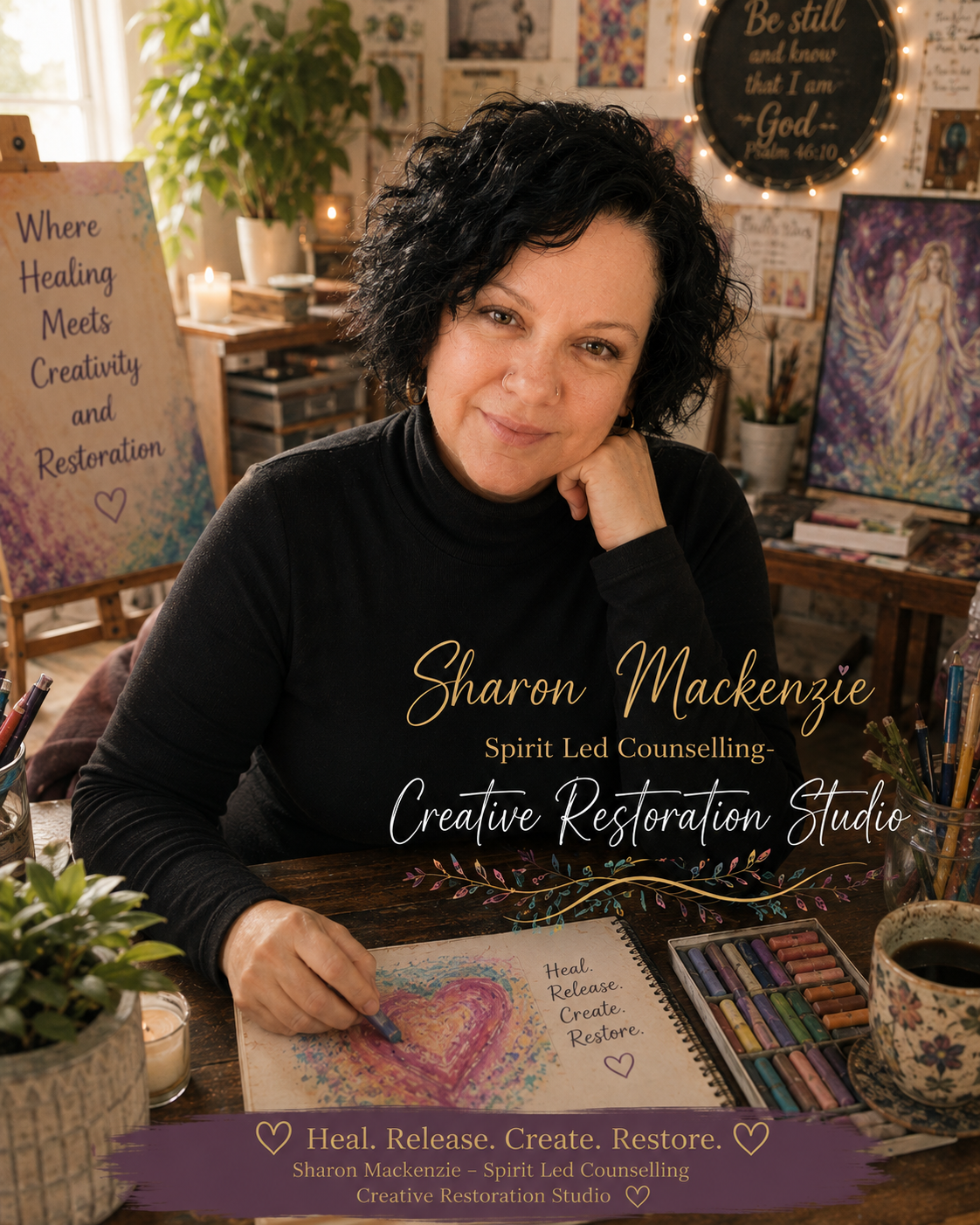
By Sharon Mackenzie — Australian author, counsellor, chaplain and artist.
You weren't invited. Or you were invited, but late, and only after someone realised. Or the group photo went up and there you were — not in it. And now you're a grown adult standing in a kitchen feeling something suspiciously like the schoolyard.
If you've ever been embarrassed by how much that stings, I'd like to gently take the embarrassment off you. Being left out hurts because it is supposed to hurt. That's not weakness. That's design.
Belonging was never optional
For most of human history, being part of a group was not a lifestyle preference. It was survival. Food, warmth, protection, shared childcare, someone to notice if you didn't come home — all of it depended on being included. A person cut off from the group was a person at genuine risk.
We carry that inheritance in our nervous systems. Exclusion registers as a threat, not a mild disappointment. That's why the ache can feel physical: tight chest, hot face, a churning stomach, a strange loss of appetite. Your body is doing what bodies do when something important is under threat.
The size of the hurt is not a measure of how fragile you are. It's a measure of how much connection matters.
The story we tell in the gap
Here's where it gets interesting. Most of the pain of exclusion isn't the event itself — it's the story we write in the silence afterwards. Nobody explains. Nobody rings. So the mind, which cannot bear a blank space, fills it in.
- “They finally worked out what I'm really like.”
- “I'm too much. I always have been.”
- “I'm not enough. Not interesting, not useful, not the kind of person people think of.”
- “I don't belong anywhere, and I never really have.”
Notice that every one of those is a conclusion about your whole self, drawn from a single event you have no information about. That's not a character flaw either — it's just what an anxious mind does with an unfinished sentence. But it is worth naming, because the story is often doing far more damage than the exclusion.
Three quieter questions
When the ache arrives, I find it helps to slow down and ask a few things that are actually answerable, rather than the unanswerable “what's wrong with me?”
- What do I actually know, and what am I guessing? Write two short lists. They are usually very different lengths.
- What is this reminding me of? Present-day exclusion often borrows its intensity from something much older. If a small slight produces an enormous wave, the wave may not all belong to today.
- What am I hoping this group would give me? Sometimes we grieve not the people, but the belonging we imagined they represented.
When it's a pattern, not an accident
Occasional exclusion is ordinary life. People are forgetful, busy, and often less strategic than we credit them for. But if you find yourself repeatedly on the outside of the same group — quietly dropped from decisions, spoken about rather than spoken to, welcomed only when you're useful — that's worth naming as a pattern rather than a run of bad luck.
Patterns are where reflective safeguarding becomes useful. Not to diagnose anybody, and not to build a case, but to give the pattern a shape so you can see it clearly and decide what you want to do with it. Once you can name something, it stops being weather that just happens to you.
A softer place to land
You will not think your way out of this ache, and you probably shouldn't try. Grief for belonging deserves to be felt. What helps is giving it somewhere to go: a walk, a page, a conversation with the one person who does show up, colour on paper without needing to make it good.
And then, when you're ready, the slow work of turning toward the people who are actually there. Belonging rarely arrives as a dramatic invitation. It usually accumulates — in small, unglamorous, repeated moments of being known.
You are not too much for wanting to be included. You're just a person, doing the wonderfully complicated business of being one.
These essays are reflective writing offered for personal thought and discernment. They are not counselling, clinical treatment or legal advice. If something here touches something tender, please reach out to someone you trust.