You Are Not Too Much: What Happens When We Learn to Make Ourselves Smaller
Too loud. Too emotional. Too curious. Too colourful. On the quiet cost of shrinking, and what it takes to unfold again.
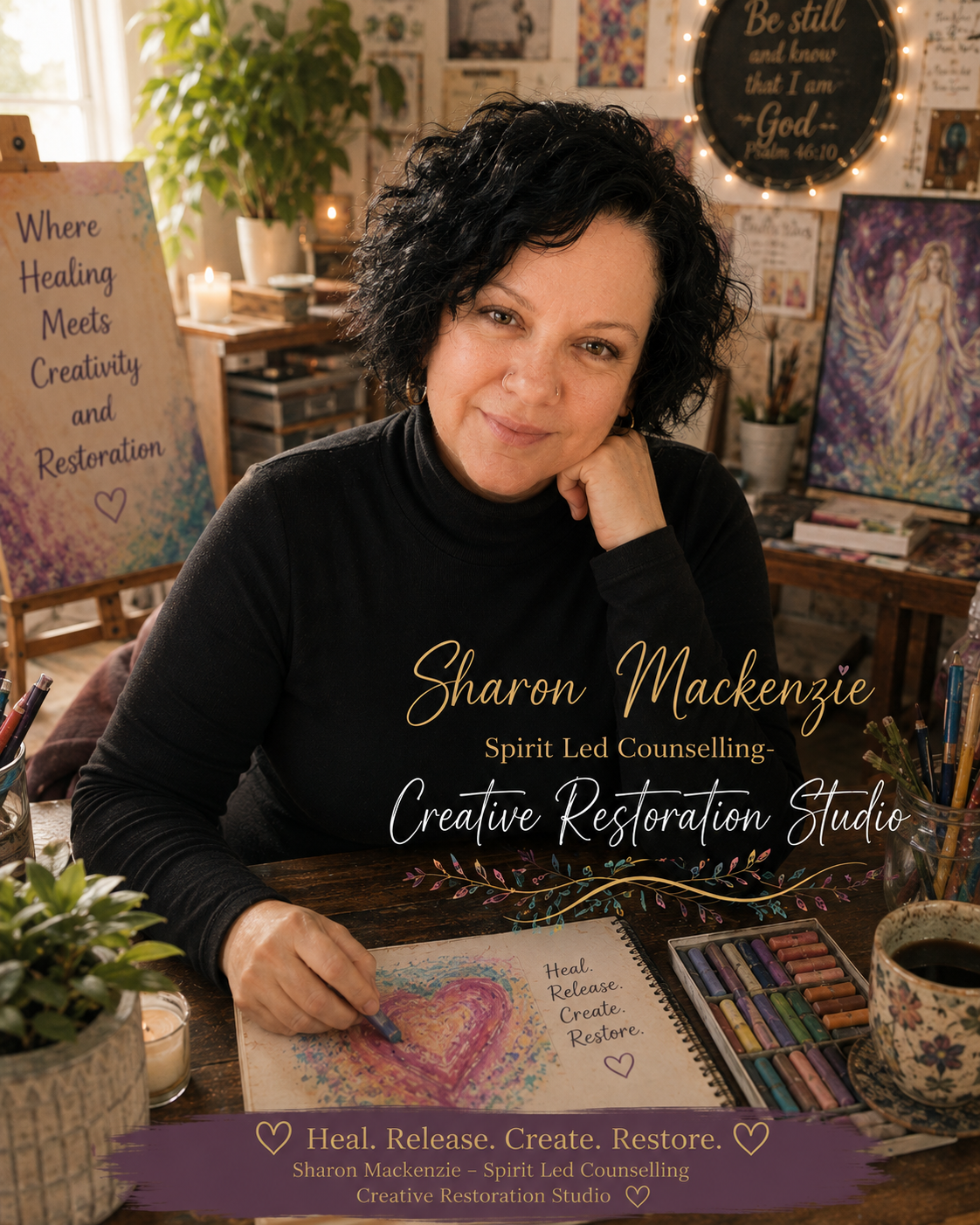
By Sharon Mackenzie — Australian author, counsellor, chaplain and artist.
Most people who've been told they're “a lot” can remember the exact moment. A sentence, an eye-roll, a laugh that wasn't quite with you. And then a decision, usually made far too young: I'll be less.
Less loud. Less emotional. Less curious. Fewer questions, fewer ideas, fewer colours. It's astonishing how efficiently a person can learn to file themselves down.
Shrinking works, which is the problem
The reason the habit sticks is that it delivers. Rooms get easier. Conflict reduces. People stay. From the inside it doesn't feel like self-abandonment — it feels like maturity, or kindness, or simply being easy to be around.
The bill arrives later, and it arrives quietly. A vague flatness. Creativity that dries up. Not quite knowing what you think about anything until you've checked how the room is leaning. A strange resentment that has nowhere to go, because nobody actually asked you to disappear.
The cost of shrinking is rarely dramatic. It's the slow disappearance of your own opinion about your own life.
“Too much” is usually a mismatch, not a measurement
Here's what I've noticed over years of listening to people: the traits that get labelled “too much” are almost always the same traits someone else desperately needs.
- Too emotional → attuned, and safe to fall apart in front of.
- Too intense → wholehearted, the person who actually follows through.
- Too curious → the one who asks the question everybody was avoiding.
- Too colourful → permission-giving; the reason someone else relaxed.
- Too sensitive → the first to notice when something isn't right.
That's not a reframing trick. It's a genuine observation about context. Volume that's wrong in one room is exactly right in another. “Too much” is information about fit, not a verdict on your worth.
Unfolding, gently
You don't undo years of shrinking with a bold announcement. In fact, dramatic reinvention often collapses within a fortnight. What works is smaller and less impressive.
- Say the second sentence. You already said the safe one — try adding the truer one after it.
- Keep one thing that's purely yours and has no use. Colour, music, a ridiculous hobby, the wrong kind of shoes.
- Notice who relaxes when you're more yourself, and who tightens. That data is gold.
- Let one person see something unedited. Start with something small enough to survive.
Expect the wobble
When you stop shrinking, some relationships will feel briefly awkward. A few will not survive it — and that's genuinely painful, even when it's right. There's often a period where you feel exposed and faintly ridiculous, like you've turned up in a costume.
That feeling isn't proof you were wrong. It's just what unfamiliar feels like. Give it a season.
You were not born apologising. Somewhere underneath the careful, edited, extremely reasonable version of you is a person with actual colours. The world doesn't need more beige. It needs people brave enough to bring their own.
These essays are reflective writing offered for personal thought and discernment. They are not counselling, clinical treatment or legal advice. If something here touches something tender, please reach out to someone you trust.